June 8, 2026
Uncontrolled climate conditions inside residential and commercial structures frequently foster challenging environments. Property owners routinely battle rising heating bills, drafty rooms, and shifting temperatures. However, a far more sinister threat often hides quietly behind drywall, under floors, and within attic rafters.
Moisture infiltration represents a severe hazard to structural longevity and occupant wellness. When humid air settles into building cavities, it creates a breeding ground for microbial growth. Property owners often consult local insulation companies to address these hidden environmental dangers before severe damage occurs.
Modern building practices prioritize sealing the external shell of a structure. This defensive strategy relies heavily on high-performance materials to manage daily environmental shifts. Without advanced thermal barriers, indoor environments remain highly vulnerable to external weather patterns.
Failing to address these weak thermal points leads to compounding structural issues over time. Wall cavities filled with stagnant, damp air slowly rot wood studs and degrade fasteners. Eventually, the structural integrity of the entire building becomes deeply compromised.
Analyzing the Mechanics of Structural Condensation
Condensation occurs when airborne water vapor touches a cold surface. During the winter months, external walls become chilled by freezing outdoor temperatures. If warm indoor air reaches these cold structural sections, liquid droplets form immediately.
This moisture accumulation weakens wood, degrades drywall, and destroys standard building components. The presence of water within wall cavities rapidly invites biological hazards. Installing a robust thermal barrier keeps interior surfaces close to ambient room temperatures.
Eliminating these cold spots removes the primary trigger for liquid condensation. When surfaces stay warm, water vapor remains safely suspended in the air until ventilation systems remove it. Skilled local insulation companies focus heavily on this specific thermodynamic balance during evaluations.
Unmanaged condensation can ruin interior paint finishes and cause unsightly drywall sagging. Property owners often mistake these signs for roof leaks when the real culprit is poor thermal management. Maintaining consistent wall temperatures prevents these destructive cycles from starting.
Thermal bridging occurs when structural studs transfer cold directly through insulated walls. High-quality materials interrupt this pathway, ensuring that internal surfaces do not drop below the dew point.
Sealing Air Leaks to Block Humid Transports
Air currents carry massive amounts of vapor through minuscule building gaps. Tiny cracks around plumbing lines, electrical outlets, and sill plates act as open highways for humidity. Traditional loose materials often fail to stop these subtle currents.
As humid air travels through openings, it drops moisture deep inside structural cavities. This hidden wetness cannot dry quickly, creating an ideal space for fungal spores. Restricting this movement requires a material that blocks heat and seals physical gaps simultaneously.
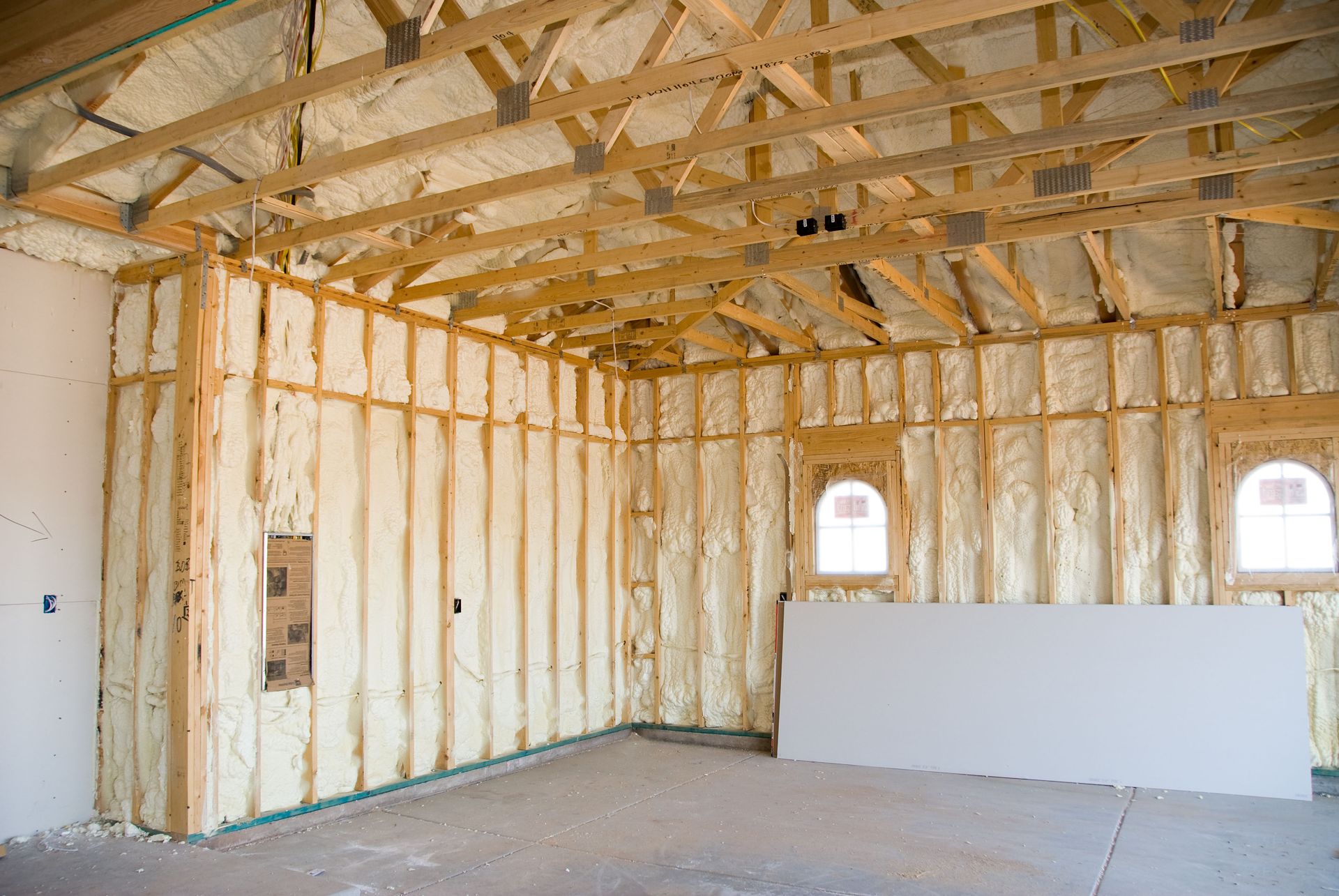
Advanced barrier materials expand upon application to fill every micro-gap. Stopping the movement of air prevents seasonal humidity from invading the interior framing. Knowledgeable local insulation companies emphasize air sealing as a primary defense against structural dampness.
Traditional insulation options often pull away from framing over time, creating hidden bypasses for air. These gaps allow moist indoor air to bypass the thermal barrier entirely during cold weather.
Controlling air movement also prevents external humidity from entering during the hot summer months. When air conditioning cools a home, outdoor humidity naturally tries to force its way inside. Experienced local insulation companies design barrier systems specifically to counteract this seasonal pressure.
Eliminating Biological Food Sources for Fungal Growth
Fungal spores exist everywhere in nature, waiting for the right conditions to multiply. These organisms require oxygen, warmth, consistent wetness, and organic matter to thrive. Many traditional building materials contain wood or paper components that act as food.
When standard fiberglass backings or cellulose products get wet, they facilitate rapid microbial colonies. Choosing synthetic, non-organic barrier materials disrupts this biological chain. Fungi cannot extract nutrients from advanced polymeric compounds.
Keeping the surrounding structural framing dry further protects vulnerable wood studs. Deprived of water and nourishment, microscopic spores remain completely dormant and harmless. Top-tier local insulation companies recommend synthetic barriers to completely starve potential fungal colonies.
Many traditional insulation types actually absorb and hold liquid water for extended periods. This trapped water creates a perpetual moisture reservoir right against wooden structural components. Non-absorbent synthetic alternatives reject liquid entirely, allowing surrounding areas to dry rapidly.
Preventing fungal colonies is vital for preserving the value of commercial and residential real estate. Mold remediation is incredibly expensive and disrupts daily activities within the building. Using smart material choices inherently starves these organisms before they take root.
Evaluating Specific Building Zone Vulnerabilities
Different regions of a home face unique moisture challenges throughout the year. Roof spaces endure extreme heat in summer and rising temperatures during winter, making them highly susceptible to condensation. Crawl spaces remain constantly exposed to damp subterranean earth.
- Attics require robust protection to stop rising household humidity from hitting cold roof decks
- Basements need non-porous barriers to repel hydrostatic moisture pushing through concrete walls
- Exterior walls demand seamless coverage to prevent wind-driven humidity from migrating indoors
- Addressing these specific zones creates an unbroken protective envelope around the living space. Specialized application techniques ensure that vulnerable transition zones receive maximum coverage. Dedicated local insulation companies carefully inspect these critical junctions to ensure long-term performance.
Each architectural zone demands careful evaluation to determine the correct application thickness. Floor joists above damp crawl spaces face entirely different pressure dynamics than upper-story ceilings.
Upgrading Vapor Retarder Systems for Long-Term Defense
Unmanaged vapor drive pushes moisture from high-pressure zones to low-pressure areas. In warm climates, external humidity tries to force its way into cool, air-conditioned rooms. In cold zones, the exact opposite occurs as interior heat pushes outward.
According to Building Science Corporation data, closed-cell spray foam reduces air leakage by fifty to ninety percent compared to traditional insulation methods. This substantial reduction in structural airflow dramatically minimizes the transport of airborne vapor into wall cavities.
Using a material that serves as an integrated vapor retarder simplifies construction. It removes the need for delicate plastic sheets that easily tear during installation. Forward-thinking local insulation companies prefer this comprehensive material approach for modern energy upgrades.
Standard plastic vapor barriers often trap moisture inside walls if installed incorrectly. When walls cannot dry in both directions, trapped dampness accelerates wood decay. Modern high-performance materials manage vapor transmission dynamically, allowing structures to shed moisture safely.
This advanced thermodynamic management keeps building materials dry during extreme seasonal shifts. Whether facing winter blizzards or summer humidity, the structural core remains entirely protected. Long-term property preservation relies on this sophisticated control of vapor movement.
Prioritizing Professional Installation for Optimal System Performance
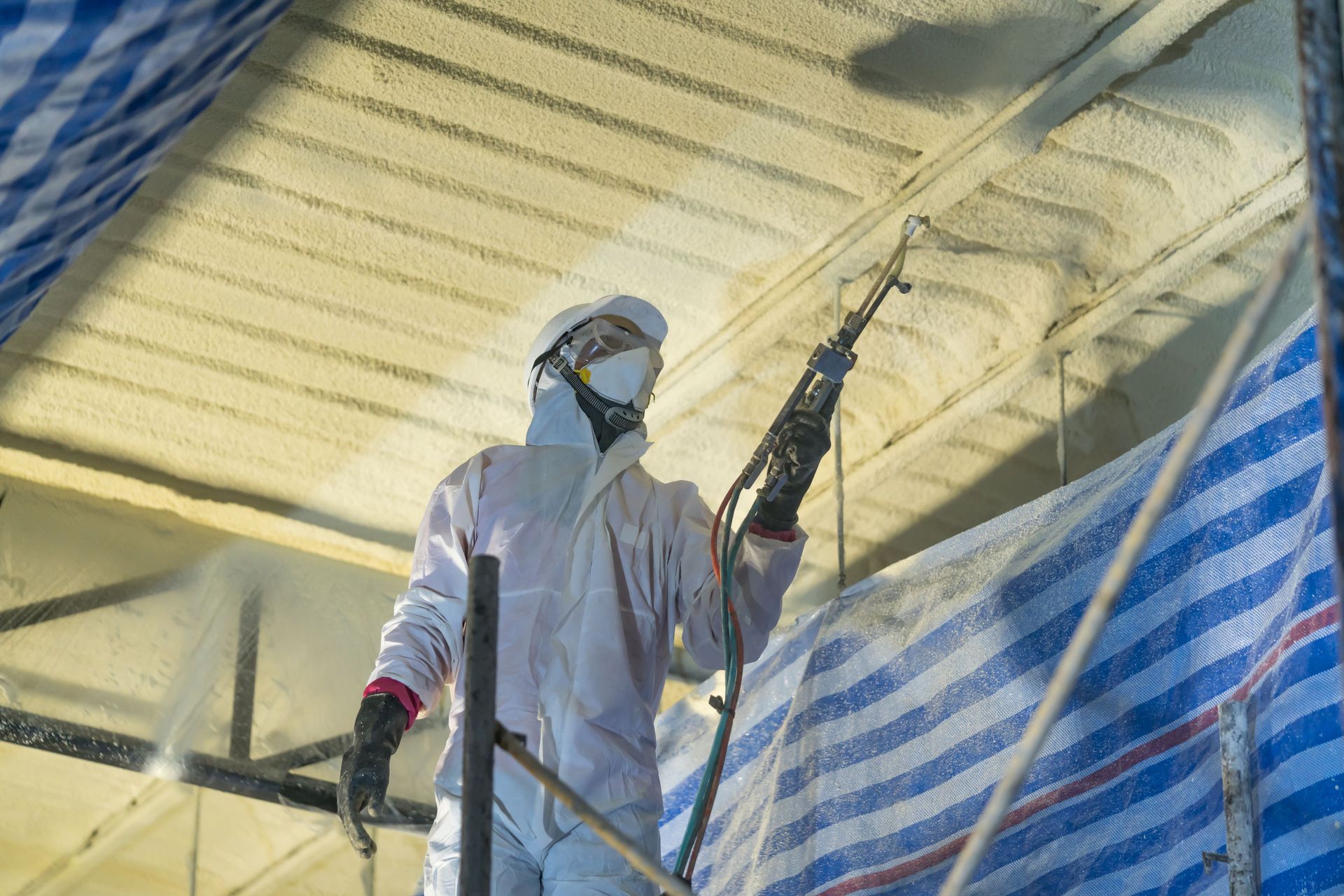
The finest building materials fail if gaps or thin spots remain after application. Inconsistent thickness creates localized cold points where condensation concentrates. Professional technicians use specialized equipment to guarantee completely uniform coverage.
Expert installers understand climate-specific dew points and building code demands. They evaluate framing details to ensure the thermal envelope remains completely unbroken. Relying on certified local insulation companies maximizes the overall return on your property investment.
Improperly installed material can pull away from the framing, leaving large voids hidden from view. These voids become prime locations for future condensation and fungal growth. Professional installers carefully monitor temperature and mixture ratios to ensure a permanent bond.
Certified professionals also look for existing moisture issues before applying new materials. Spraying over wet wood traps rot inside the walls, causing severe future damage. Thorough inspection protocols guarantee that the building is ready for a permanent thermal upgrade.
Achieving a dry, energy-efficient property requires utilizing premium materials installed by seasoned specialists. Do not let hidden dampness compromise structural integrity or air quality. Contact our experts at JGL Spray Foam Insulation to safeguard your property immediately.