October 7, 2026
Maintaining comfortable room temperatures often comes to mind first when evaluating a home's thermal barriers. However, installing proper thermal protection also plays a vital role in protecting the air you breathe every day. A well-sealed home prevents outdoor pollutants and excessive humidity from entering your living spaces. Partnering with a skilled local insulation company helps you create a healthier indoor environment for your entire family. Upgrading your home's thermal boundary ensures that clean, filtered air remains inside while harsh outdoor elements stay firmly outside.
Understanding Indoor Air Quality
Defining Indoor Air
Indoor air quality refers to the overall cleanliness of the air circulating inside your home or commercial building. Poor air conditions often lead to minor daily irritations like headaches or scratchy throats. Over time, breathing contaminated air can contribute to chronic respiratory problems. Evaluating your home's airflow helps you identify areas where unwanted elements might enter your living space.
Airborne contaminants often originate from outdoor sources, finding their way indoors through small structural gaps. Sealing your house properly reduces the amount of unfiltered air that reaches your family. A knowledgeable local insulation company can evaluate your home and recommend effective sealing strategies to keep your air fresh.
Identifying Common Pollutants
Many invisible contaminants float through the air inside average residential buildings. Airborne pollen and mold spores represent the most common indoor pollutants. When outside air leaks through unsealed attics or basements, it brings these unwanted elements directly into your home.
Moisture acts as a primary catalyst for biological contaminants like mold and mildew. High humidity levels create ideal growing conditions inside dark wall cavities or unfinished crawlspaces. Controlling indoor moisture serves as the most effective defense against biological growth and airborne spores.
Protecting Your Home With Thermal Barriers
Blocking Outdoor Drafts
Thermal barriers do much more than simply hold heat inside your rooms during freezing winter months. Creating a continuous airtight seal around your home stops unfiltered outdoor air from sneaking through hidden cracks. Effective thermal protection forces incoming air to travel through your dedicated HVAC filtration system instead of bypassing it.
A tightly sealed house maintains consistent air pressure, which prevents random outdoor drafts from pulling allergens indoors. When you seal major leaks in your attic or basement, you gain total control over your indoor atmosphere. Hiring a local insulation company ensures that your air sealing project meets structural requirements while improving your overall air quality.
Managing Indoor Moisture
Moisture control remains a critical factor in preserving clean, breathable indoor air throughout the year. When warm, humid outdoor air meets cooled indoor surfaces, condensation forms inside wall cavities. This hidden moisture feeds mold colonies that eventually release spores into your daily breathing air.
Applying moisture-resistant thermal barriers prevents condensation from forming on interior wall framing. Products that block both air and water vapor keep structural cavities completely dry regardless of the weather outside. Controlling humidity stops mold growth before it starts, keeping your indoor environment healthy.
Exploring Effective Material Options
Choosing Spray Foam Applications
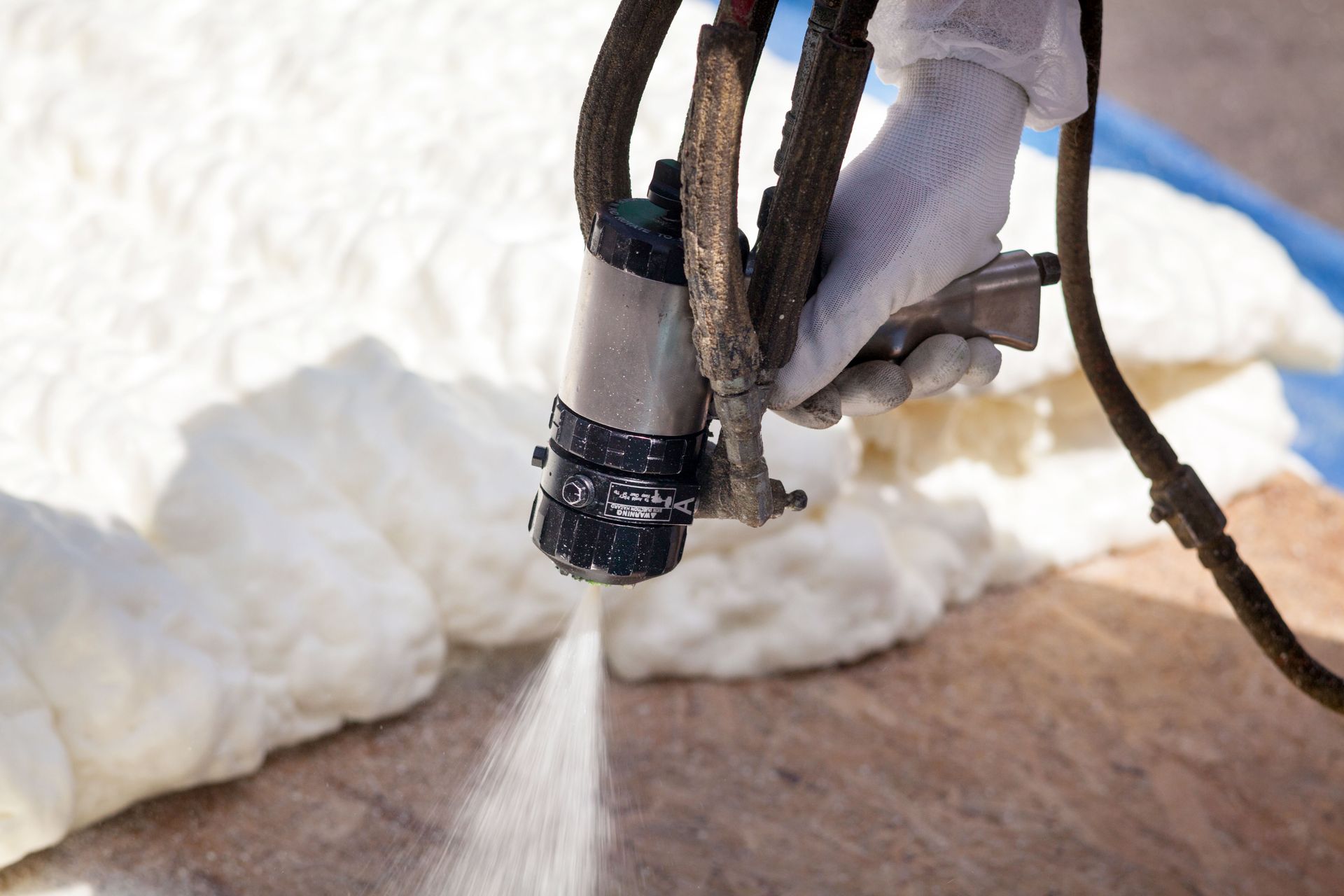
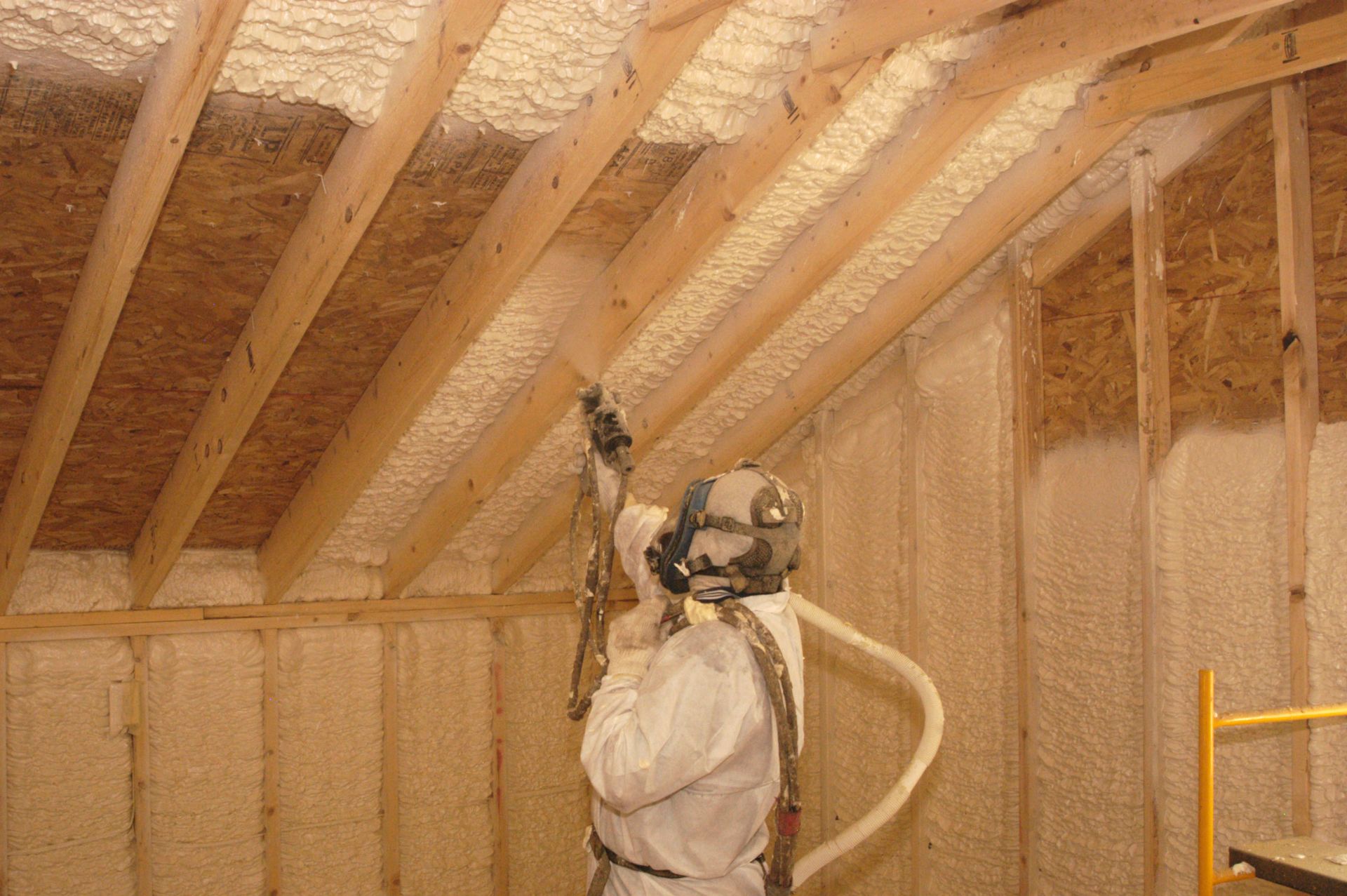
Spray foam stands out as an exceptionally versatile product for improving both thermal resistance and air sealing. The liquid expands rapidly upon application, filling tiny cracks and sealing irregular gaps tightly. According to This Old House, closed-cell spray foam insulation is popular for several reasons, including having a higher R-value than other insulation, usually around R-6 or more per inch. This high thermal resistance provides outstanding protection against temperature shifts.
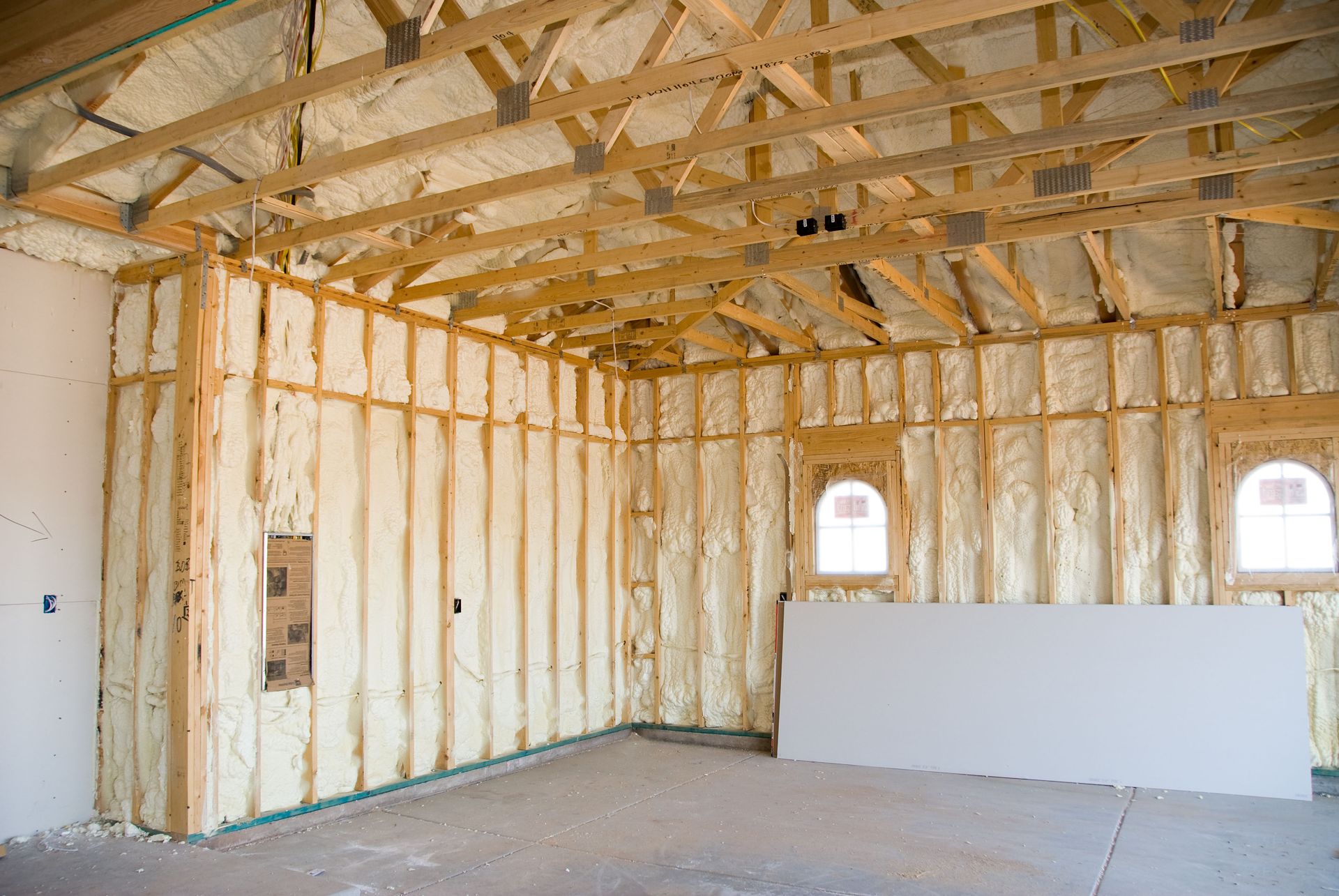
Because closed-cell foam sets into a rigid, dense barrier, it blocks both air drafts and water vapor simultaneously. Applying this dense foam to attic roof decks or basement walls creates an impenetrable shield against outdoor elements. Working with a qualified local insulation company ensures that the foam is applied accurately and cures properly.
Evaluating Fiberglass Options
Fiberglass batts remain a frequent choice for interior walls and easily accessible attic floors. Made from spun glass fibers, this material traps small pockets of air to slow down heat transfer. While fiberglass provides solid thermal resistance, it does not stop air from flowing through its porous structure.
To improve air quality when using fiberglass, builders must pair the batts with separate air sealing products. Caulk and expanding foam sealants must be applied to wall joints before the fiberglass goes into place. Proper preparation makes fiberglass a reliable option for temperature control.
Applying Cellulose Materials
Cellulose provides thick, dense coverage when blown into open attic spaces or enclosed wall cavities. The dense packing limits air movement significantly, reducing the amount of outdoor air that infiltrates your rooms. Treated with natural borates, cellulose also deters pest nesting and resists mold growth.
Blowing cellulose into existing walls offers a practical way to improve older homes without removing the drywall. The material fills empty voids, wrapping around pipes and electrical wires to create a snug barrier. Upgrading an older home with blown-in cellulose quickly enhances the indoor atmosphere.
Choosing the Right Application
Understanding R-Value Ratings
Measuring a material's thermal resistance, known as its R-value, helps determine how well it stops heat transfer. Higher numbers indicate stronger thermal protection, which translates to better temperature consistency inside your home. Maintaining steady indoor temperatures reduces the workload on your HVAC system, allowing it to filter air more efficiently.
Matching the appropriate R-value to your specific regional climate ensures that your home stays protected year-round. A local insulation company understands local weather patterns and recommends appropriate thermal ratings for your specific neighborhood. Proper thermal ratings prevent extreme temperature fluctuations that can encourage indoor condensation.
Addressing Material Curing
Certain applied materials require a brief curing period immediately following installation. During the initial application, specific products release temporary odors as the materials expand and harden. Professional installers follow strict ventilation protocols to clear the air quickly during the curing process.
Once fully cured, dense foam products become completely inert and stop releasing any odors. The hardened material creates a permanent, clean barrier that significantly improves your long-term air quality. Following professional guidance during installation ensures a safe, smooth application process for your household.
Protecting Structural Integrity
Proper installation techniques ensure that your thermal barrier performs well without trapping unwanted moisture. Applying vapor barriers incorrectly can trap humidity inside walls, leading to unexpected wood rot or structural damage. Professional installers understand how to balance air sealing with necessary structural ventilation.
Maintaining proper airflow in specific areas, such as the space beneath your roof deck, prevents moisture accumulation. A skilled installation team assesses your home's unique layout to determine the safest application methods. Protecting your structural framing ensures that your home remains dry and healthy.
Upgrading your home's thermal boundary delivers lasting benefits that go far beyond lower utility bills. Controlling humidity and blocking allergens transforms your house into a truly comfortable sanctuary. Investing in professional application protects your property while ensuring that your family breathes clean, healthy air every day. Choosing a dependable local insulation company gives you peace of mind that the job will be done right the first time.
When you need reliable thermal protection for your residential or commercial property, working with the dedicated team at JGL Spray Foam Insulation brings careful evaluations and thorough installations to every project. To discuss your project goals or schedule an initial property assessment, contact JGL Spray Foam Insulation today.