August 5, 2026
Understanding the importance of proper insulation in crawl spaces, this article explores the differences between open-cell and closed-cell spray foam insulation. Both types offer unique advantages and limitations, particularly when applied in crawl spaces. This comprehensive guide is designed to help you decide which option is best suited for your needs. Crawl spaces are often neglected areas in homes but can significantly impact energy efficiency and indoor air quality. Proper insulation from a professional crawl space insulation service is crucial not only for comfort but also for the structural integrity and health of the space.
Definition and Composition of Spray Foam
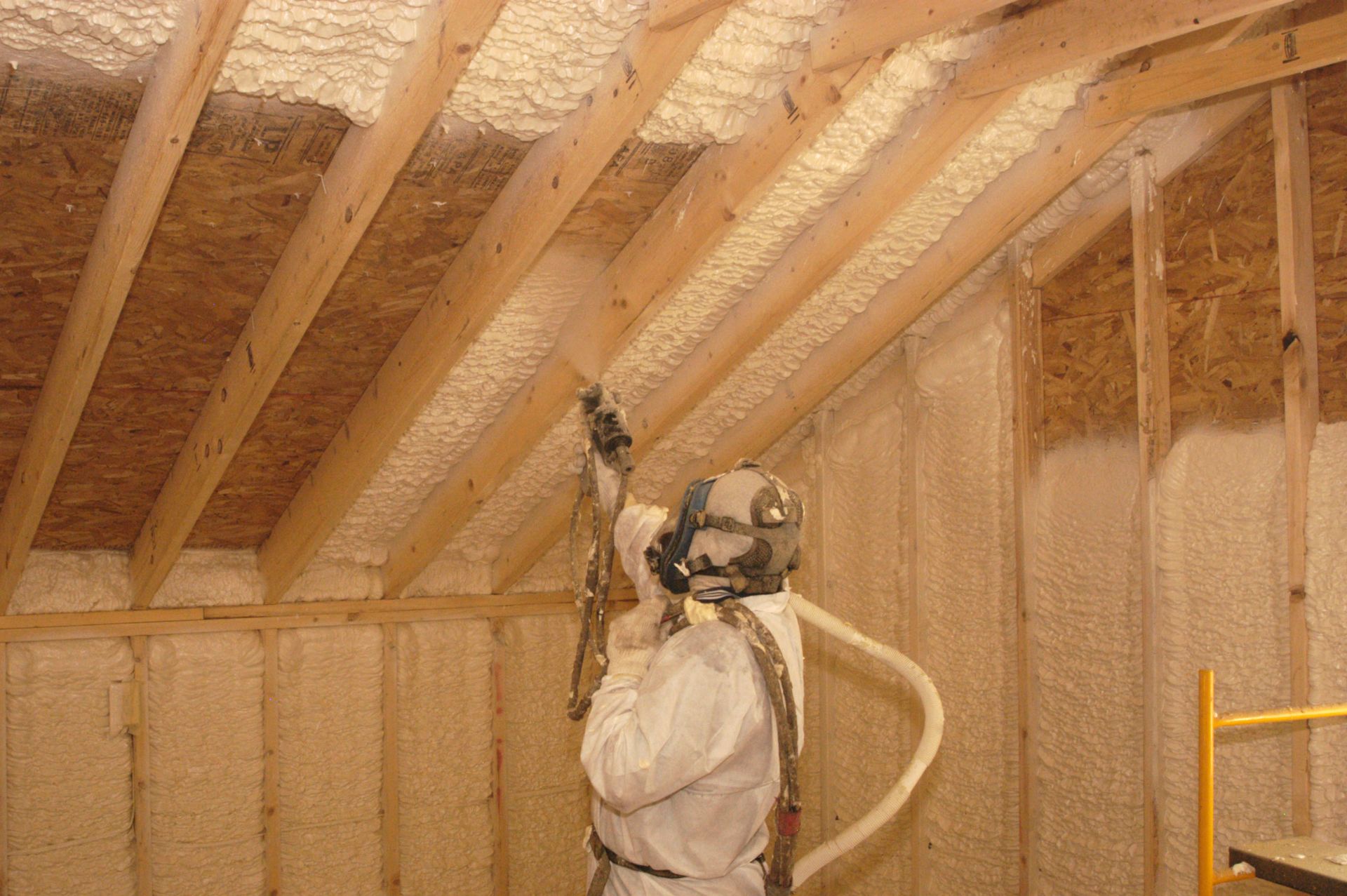
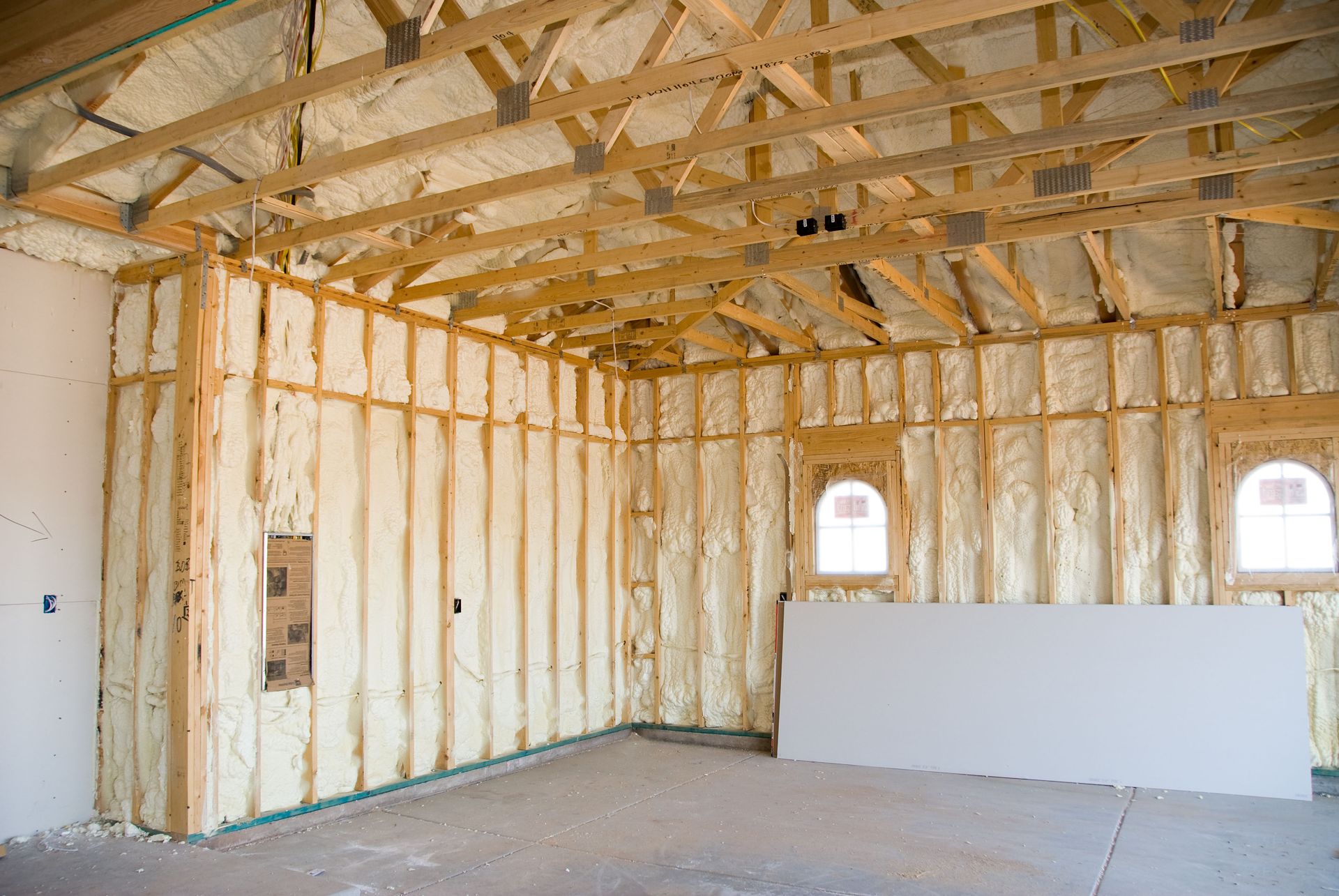
Spray foam insulation is a versatile insulation material, created by combining two liquid components that react and expand to form a solid foam. It is available in two main types: open-cell and closed-cell spray foam, each offering distinct characteristics for different applications. The composition of spray foam generally includes polyurethane or polyisocyanurate, known for their superior insulation properties. Once applied, spray foam quickly expands to fill gaps and voids, creating an airtight barrier that is both insulating and protective. Its adaptability makes it a popular choice for various spaces, including crawl spaces, attics, and walls.
The unique composition of spray foam allows it to provide remarkable thermal insulation while also acting as a moisture barrier. As the foam expands, it conforms to the shape of the space, ensuring no gaps remain for air or moisture infiltration. This aspect significantly improves the energy efficiency of a building by preventing air leakage. Its ability to perform multiple functions simultaneously, such as sealing and insulating, sets spray foam apart from other insulation materials. However, selecting the right type for your crawl space is crucial to achieving the best possible outcome.
For crawl spaces, the type of spray foam insulation chosen can have a profound impact on the long-term efficiency and comfort of the area above. Proper insulation not only addresses immediate temperature concerns but also helps manage moisture, which is critical in preventing mold growth and structural deterioration. Both open-cell and closed-cell spray foams have their merits, but understanding their composition and how they function is essential in making an informed decision. It's important to consider every aspect, from application to insulation properties, to ensure the selected material meets the specific needs of your crawl space.
Types of Spray Foam: Open-Cell vs. Closed-Cell
Open-cell spray foam is characterized by its low density and flexible nature, making it ideal for certain situations where a softer touch is required. It consists of cells that are not completely closed, allowing air to fill in the spaces, which provides excellent air filtration and noise reduction capabilities. On the other hand, closed-cell spray foam features tightly packed cells, making it denser and more rigid. This structure provides a higher R-value, making closed-cell spray foam more effective at insulating and blocking moisture. The decision between the two often depends on the particular needs of the application area, such as moisture control and insulation effectiveness.
While open-cell foam is often preferred for its affordability and flexibility, closed-cell foam is noted for its strength and superior moisture resistance. According to This Old House, closed-cell spray foam insulation is popular for several reasons, including having a higher R-value than other insulations, usually around R-6 or more per inch. This high R-value makes closed-cell foam an excellent choice for areas that require robust insulation and need to fight against environmental elements like moisture. In contrast, we've found that open-cell foam typically offers an R-value of around 3.5 per inch, which is decent for soundproofing but not as effective for thermal insulation. The nature of the application and environmental challenges often dictate which foam is best suited for a particular project.
The decision on whether to use open-cell or closed-cell spray foam becomes critical when dealing with spaces like crawl spaces, which can be subject to various environmental conditions and accessibility challenges. These challenges can affect not only the functionality of the insulation but also its longevity and effectiveness over time. Both open-cell and closed-cell spray foams have specific attributes that cater to different insulation needs, and selecting the right type is crucial for optimizing the benefits. Knowing the differences and applications of each helps in making an informed choice that aligns with both current and future building requirements.
Insulation Properties of Spray Foam
Spray foam insulation stands out due to its ability to provide high-performance thermal resistance and air sealing capabilities. This is achieved through its unique expanding nature, allowing it to fill even the smallest of gaps, which traditional insulation may miss. Both open-cell and closed-cell spray foams offer varying degrees of thermal resistance, making them versatile for different insulation needs. While open-cell foam is functional for soundproofing and minor temperature control, closed-cell foam's dense structure provides superior thermal insulation. Understanding these properties helps in selecting the appropriate insulation type for crawl spaces where temperature control is crucial.
The R-value is a measure of an insulation material’s resistance to heat flow, and both types of spray foam provide ample options depending on the application. Open-cell spray foam typically has a lower R-value, which is around 3.5 per inch, suitable for interior installations where sound and air filtration are priorities. Closed-cell spray foam, with its higher R-value of about 6 or more per inch, offers excellent thermal resistance and is especially effective in moisture-prone environments like crawl spaces. This disparity in R-values makes closed-cell foam more suitable for spaces requiring robust thermal insulation and structural support. Its high density and rigidity also contribute to its effectiveness as a moisture barrier and its overall durability.
Common Applications of Spray Foam
Spray foam insulation is widely used in various building applications due to its adaptability and effectiveness. Commonly employed in attics, walls, and crawl spaces, it provides an all-encompassing approach to insulation. In residential properties, it is sought after for its excellent air sealing qualities that contribute to improved energy efficiency and reduced utility costs. Additionally, commercial properties benefit from its durability and ability to enhance structural integrity, making it a preferred choice for new constructions and renovations alike. Its ability to expand and seal difficult-to-reach areas makes spray foam insulation a go-to option in both small and large-scale projects.
Crawl spaces, attics, and basements serve as prime areas for spray foam insulation due to their role in maintaining overall home energy efficiency. Closed-cell spray foam, in particular, is often favored in crawl spaces for its robust moisture resistance and ability to add structural strength, which is crucial in preventing mold growth and maintaining the structural integrity of the space. Open-cell foam is typically used in larger spaces for soundproofing and minor temperature control, where moisture control is not a primary concern. Additionally, open-cell foam’s ability to fill large voids and provide effective soundproofing makes it a versatile choice for interior applications.
Benefits of Spray Foam Insulation
Spray foam insulation offers numerous benefits, making it a popular choice for both residential and commercial properties. Whether opting for open- or closed-cell, the primary advantage is its superior ability to provide an airtight seal, which eliminates unwanted air drafts and significantly reduces energy expenditure. This results in improved energy efficiency, characterized by a more consistent indoor climate and lower utility bills. Additionally, the moisture-resistant nature of especially closed-cell foam helps protect against mold and mildew growth, contributing to healthier indoor air quality. The versatility of spray foam also allows for its application in a variety of settings, addressing both insulation and structural needs effectively.
Choosing between open-cell and closed-cell spray foam insulation depends on your crawl space’s specific needs, including moisture levels, climate, insulation goals, and budget. While open-cell foam can provide effective air sealing and sound reduction, closed-cell foam often delivers greater thermal resistance, moisture protection, and structural support. By evaluating these factors and working with a qualified insulation professional, you can select a solution that improves energy efficiency, protects your home, and promotes lasting indoor comfort. To work with a
crawl space insulation service you can rely on, contact JGL Spray Foam Insulation today.